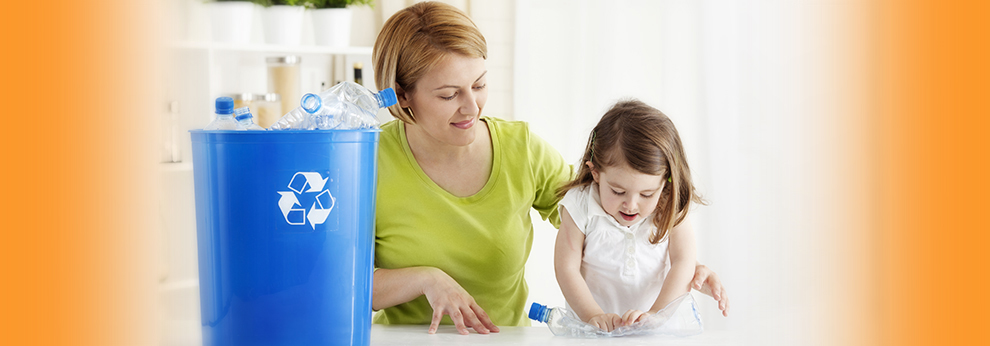
Top Recycling Tips to Implement in School Environments
Posted on 02/11/2025
Top Recycling Tips to Implement in School Environments
Recycling in schools is more than just a trend--it's an essential part of creating a sustainable future. By teaching students about the importance of responsible waste management, educational institutions prepare the next generation to make environmentally conscious decisions. Whether you're a teacher, administrator, parent, or student, there are actionable strategies you can use to boost recycling efforts and make a big difference. In this guide, we explore the top recycling tips for schools and discuss how to establish successful, long-lasting recycling programs.
Why Recycling in Schools Matters
Introducing recycling initiatives in school settings offers several benefits:
- Environmental Impact: Schools generate considerable waste. Proper recycling conserves resources and reduces the strain on landfills.
- Educational Value: Integrating recycling lessons into the curriculum helps students develop eco-friendly habits early in life.
- Cost Savings: Reducing waste and properly recycling valuable materials--like paper, aluminum, and plastics--can lower waste disposal costs.
- Community Engagement: A robust school recycling program encourages local partnerships and sets an example for the wider community.
How to Establish a Successful School Recycling Program
Before you implement any school recycling tips, it's crucial to create a solid plan.
1. Perform a School Waste Audit
Conducting a waste audit is the first step towards optimizing recycling initiatives in educational environments. Track what kinds of materials are being discarded and in what quantities. This way, you can target the most prevalent waste types--such as paper, plastic bottles, food wrappers, or electronics.
2. Set Clear Recycling Goals
Setting tangible, measurable goals motivates the school community. Examples include reducing single-use plastics by 50% or increasing the paper recycling rate to 80%. Display goals on bulletin boards or digital platforms to remind everyone of the mission.
3. Involve the Whole School Community
Inclusion is key. Get buy-in from administrators, teachers, custodians, parents, and especially students. Assign recycling team members or "green ambassadors" to monitor bins, organize campaigns, and educate others.
4. Choose Appropriate Recycling Bins and Locations
Invest in well-labeled, color-coded recycling bins. Place them in high-traffic locations like cafeterias, hallways, classrooms, and near vending machines to maximize usage. Clear signage in multiple languages or with images helps everyone understand what goes where.
Top Recycling Practices Every School Should Follow
1. Paper Recycling Best Practices
Schools consume large amounts of paper, making it essential to focus on paper recycling.
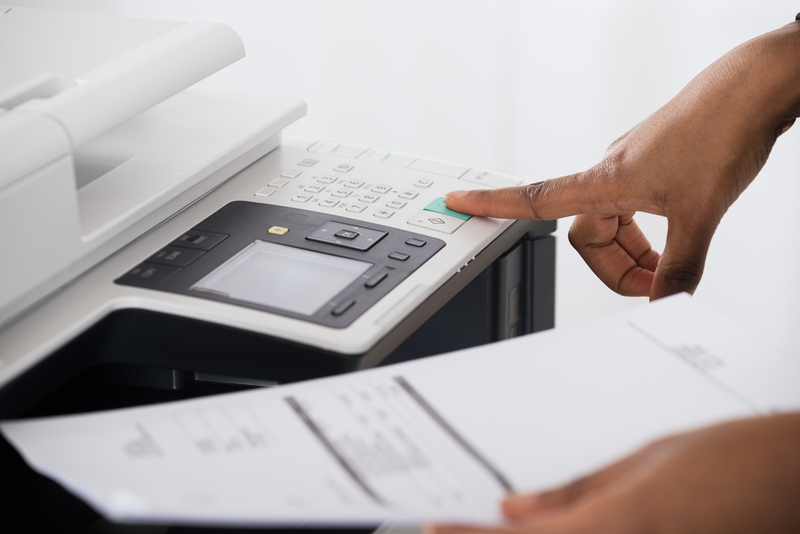
- Set up paper-only recycling bins in every classroom, office, and printing area.
- Encourage double-sided printing and digital homework submissions to cut paper waste.
- Educate students on the types of paper that can and cannot be recycled (e.g., avoid glossy or laminated paper).
2. Plastic Recycling in School Environments
Plastic bottles and packaging often fill school trash bins. Implement these practical suggestions to bolster plastic recycling in schools:
- Install bottle and can recycling containers in cafeterias and athletic facilities.
- Ban single-use straws and utensils, opting for reusable or compostable alternatives.
- Teach students how to rinse and separate plastics to avoid contamination of batches.

3. Encourage Composting and Organic Waste Recycling
Composting is a natural extension of recycling efforts--especially in schools with lunch programs.
- Set up a food waste collection program or a school compost bin for cafeteria scraps and coffee grounds.
- Use finished compost for school gardens, learning projects, or community giveaways.
- Teach students the difference between biodegradable and non-biodegradable waste.
4. Recycle Electronics Responsibly
E-waste, such as old computers, printers, and batteries, can be both hazardous and valuable.
- Organize an annual e-waste collection drive for obsolete electronics.
- Partner with certified recycling companies to ensure safe disposal of devices.
- Prioritize buying refurbished tech and repairing over replacing equipment.
Innovative Ways to Engage Students in Recycling
Active participation is essential for sustainable recycling habits in school settings. Here's how to get students excited about recycling:
- Host recycling competitions between classrooms or grades. Offer rewards--like extra recess or a pizza party--to the most successful team.
- Incorporate recycling themes into science projects, art, and writing assignments.
- Invite guest speakers, such as local environmentalists or city recycling coordinators, to discuss the impact of waste and recycling.
- Encourage the formation of a "green club" or environmental committee led by students.
- Visit local recycling facilities so students can see the process firsthand.
Educational Resources for Recycling in Schools
An effective school recycling program leverages a variety of educational resources:
- Lesson plans and curriculum guides on recycling, waste reduction, and sustainability.
- Posters and infographics that show what items can be recycled or composted.
- Interactive online games and quizzes that make learning fun.
- Guides for organizing recycling events, drives, or waste audits.
- Workshops and teacher training on integrating recycling into the broader curriculum.
Common Mistakes to Avoid in School Recycling Programs
Implementing the best school recycling strategies sometimes means avoiding frequent pitfalls:
- Neglecting bin maintenance: Overflowing or dirty bins deter use and lead to contamination. Assign a schedule for regular bin checks and cleaning.
- Poor signage: Inadequate instructions result in the wrong items being recycled. Use clear, eye-catching labels and images for maximum clarity.
- Overlooking staff training: Empower custodial staff and teachers with up-to-date recycling protocols so they can answer student questions and help enforce rules.
- Forgetting to celebrate successes: Publicizing milestones--such as pounds recycled or waste reduced--keeps the community motivated.
How to Get Buy-In from Teachers, Staff, and Parents
The most effective recycling programs in schools rely on support from all stakeholders. Here's how to ensure everyone is on board:
- Hold informational meetings: Present the recycling plan and its benefits at staff meetings and parent nights.
- Share success stories: Highlight achievements through newsletters, social media, and local news to generate pride and enthusiasm.
- Offer volunteer opportunities: Allow parents and community members to participate in events, drives, or committee work.
- Reward involvement: Recognize star recyclers or classes with certificates, bulletin board features, or small incentives.
Using Technology to Enhance School Recycling
Modern tools can streamline school recycling efforts:
- Digital platforms for monitoring bin usage and waste reduction targets.
- Email reminders and push notifications to keep recycling top of mind for staff and students.
- Mobile apps that teach recycling rules or gamify eco-friendly behavior.
- Social media challenges to spur friendly competition and share tips.
Building a Greener Legacy: The Benefits of Long-Term Recycling Efforts
Long-term commitment to school recycling delivers lasting benefits:
- Fosters environmental stewardship in tomorrow's leaders.
- Reduces water, energy, and resource consumption across the school district.
- Enhances school reputation by demonstrating a commitment to sustainability.
- Encourages eco-innovation by involving students in real-world problem solving.

Step-by-Step Plan to Launch a School Recycling Campaign
Here's a structured action guide any school can follow to establish a robust recycling program:
- Step 1: Create a "green team" consisting of students, teachers, and support staff.
- Step 2: Conduct a waste audit and create a detailed report on current disposal and recycling habits.
- Step 3: Write a mission statement and set attainable short- and long-term goals.
- Step 4: Procure and label recycling bins; develop easy-to-understand signage for diverse student populations.
- Step 5: Launch a kickoff event to raise excitement and explain the new procedures to all stakeholders.
- Step 6: Monitor progress using regular waste audits and feedback surveys.
- Step 7: Celebrate successes and improve on weaknesses to ensure the program grows year after year.
Conclusion: Make Your School a Model of Sustainable Recycling Practices
Adopting and expanding recycling programs within school environments is more than just a duty--it's a game-changing opportunity to protect the planet and educate future leaders. Start with a waste audit, involve the entire school community, and use creative, educational, and technological resources to sustain your efforts. Remember: Every recycled bottle, paper, and can brings us closer to a zero-waste future. Implement these top recycling tips in your school and inspire others to follow your sustainable lead!
Latest Posts
Microplastic Pollution: Is Prevention Possible
Top Recycling Tips to Implement in School Environments
Teaching Kids Recycling: A Guide for Educators