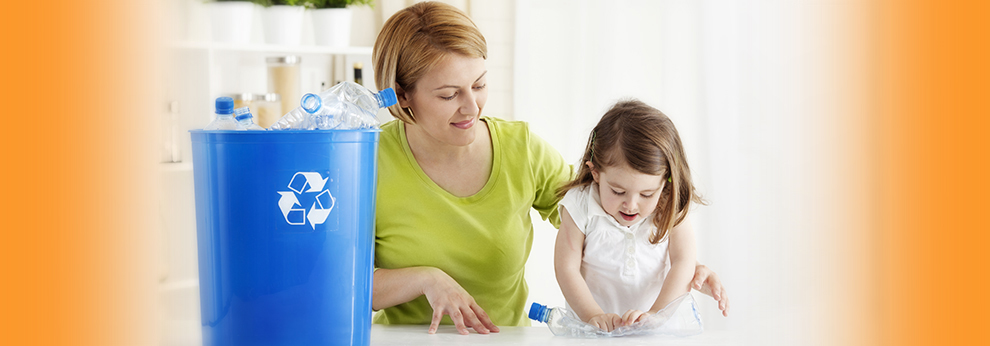
Teaching Kids Recycling: A Guide for Educators
Posted on 25/10/2025
Teaching Kids Recycling: A Comprehensive Guide for Educators
In today's world, environmental education is more important than ever before. With the increasing challenges of waste management and pollution, teaching kids about recycling isn't just a classroom responsibility--it's a critical step towards a sustainable future. This guide offers comprehensive strategies, activities, and tips for educators who want to inspire the next generation of environmentally responsible citizens by making recycling education for children both fun and effective.
Why is Recycling Education Important for Kids?
Children are naturally curious and eager to make a difference. By introducing them to recycling concepts early, educators lay the foundation for lifelong sustainable habits. Teaching kids to recycle:
- Reduces landfill waste and helps conserve natural resources.
- Encourages responsibility and social awareness.
- Builds critical thinking skills as children learn how to identify recyclable materials.
- Inspires community action and collective environmental stewardship.
Moreover, early environmental education helps counteract the "throwaway culture" and fosters a sense of care for our planet.

Understanding Recycling: Key Concepts for Children
What is Recycling?
At its core, recycling is the process of converting waste materials into reusable objects. By recycling items like paper, plastic, glass, and metal, we can reduce pollution, save energy, and protect natural habitats.
Types of Materials That Can Be Recycled
- Paper and cardboard (newspapers, boxes, office paper)
- Plastics (bottles, containers, packaging)
- Glass (jars, bottles)
- Metals (aluminum cans, food tins)
- Electronics (with proper facilities)
- Textiles (clothing, certain fabrics)
Children should also understand that some materials, like food waste, can be composted instead of recycled.
Effective Methods to Teach Recycling in the Classroom
1. Incorporate Recycling into the Curriculum
Integrate lessons on waste management, sustainability, and environmental impact across multiple subjects. For example:
- Use math to calculate the reduction in waste through recycling programs.
- Discuss the science behind decomposition and regeneration of recycled materials.
- Engage in art projects using recycled materials.
- Write essays or stories on how recycling can change the world.
2. Hands-On Activities and Games
Nothing is as memorable as hands-on learning. Some activities for teaching kids about recycling include:
- Sorting Games: Set up stations where students separate different types of waste.
- Recycling Relay Races: Make recycling fun and active with educational competitions.
- Arts and Crafts: Encourage creativity by transforming "trash" into treasure.
- DIY Composting: Teach the difference between compostable and recyclable items.
3. Establish a School Recycling Program
Create a visible, accessible recycling initiative within your school. Steps to consider:
- Label recycling bins clearly using images and color coding.
- Assign recycling monitors or teams to track usage and promote participation.
- Track results and celebrate milestones--like pounds of waste diverted from landfills.
- Involve the wider school community through assemblies or newsletters.
4. Foster Real-World Connections
Help children see the big picture:
- Organize field trips to recycling centers or waste management facilities.
- Host guest speakers from local environmental organizations.
- Encourage participation in community clean-ups and eco-events.
Tips for Making Recycling Education Engaging
Utilize Storytelling and Visuals
Children respond well to stories. Share age-appropriate books, documentaries, or personal stories that highlight:
- The journey of a recycled bottle from the bin to a new product.
- Heroes who make a difference in their communities through recycling.
- Wildlife that is protected by reducing pollution and plastic waste.
Encourage Critical Thinking and Curiosity
Foster a questioning classroom. Instead of just telling students what to recycle, pose questions like:
- "Why can't we recycle some plastics?"
- "What happens to materials that aren't recycled?"
- "How can we reduce the amount of trash we produce?"
Make Recycling Part of the Classroom Culture
Lead by example! Teachers who actively recycle and talk about their choices inspire students. Other ways to build culture:
- Create a class pledge or charter around sustainability.
- Start every project with a discussion on responsible resource use.
- Display recycled art or student-made recycling posters prominently.
Overcoming Challenges in Teaching Kids to Recycle
While teaching children about recycling is rewarding, educators may encounter obstacles such as:
- Lack of resources: Not all schools have recycling bins or access to facilities.
- Misinformation: Students might have misconceptions about what can be recycled.
- Lack of motivation: Recycling might seem boring to some kids.
Practical Solutions
- Start small: Even one classroom bin can make a difference.
- Provide clear instructions: Use pictures and step-by-step guides for recycling.
- Connect with parents and the community: Involve families by sending home recycling tips and resources.
- Incentivize participation: Recognize efforts through rewards or certificates.
Recycling Projects and Activities for Kids
Creative Crafts with Recycled Materials
- Plastic Bottle Planters: Cut and decorate bottles for classroom gardens.
- Cardboard Sculptures: Use old boxes to build animals, vehicles, or models.
- Recycled Paper: Make homemade paper by pulping old scraps.
Science Experiments
- Explore how different materials decompose or don't over time in soil or water.
- Test the insulation properties of recycled vs. non-recycled materials.
- Build simple machines--like paper pulpers or bottle rockets--from recycled items.
School Recycling Challenge
Host a recycling competition between classes or grades. Track which group can collect and sort the most recyclables over a set period. Recognize and celebrate with eco-friendly prizes.
Environmental Awareness Campaign
Encourage students to create posters, videos, or presentations on the importance of recycling and reducing waste. Share their work during school assemblies or community events to raise awareness.
Involving Parents and the Community
Extend Recycling Education Beyond the Classroom
The most effective recycling programs are those that involve not just students, but their families and community. Educators can:
- Send home family recycling activities and checklists.
- Organize community recycling drives or eco-fairs.
- Partner with local businesses or waste services to provide resources.
- Include educational materials for parents in newsletters or on the school website.
Useful Resources for Recycling Education
Equip yourself with the right tools! Here are some helpful resources and organizations for teaching recycling to kids:
- U.S. Environmental Protection Agency (EPA) - Educational materials for all ages
- National Geographic Kids - Articles and videos on recycling and the environment
- National Institute of Environmental Health Sciences - Games and activities about waste reduction
- Recycle City - Interactive games about recycling and sustainability

FAQs: Teaching Kids About Recycling
How young should kids start learning about recycling?
Children as young as preschool can learn simple recycling concepts, especially when taught through play and stories.
What is the best way to explain recycling to kids?
Use clear and simple language. Show examples of recycling in action and let them participate in sorting or crafts.
How can I keep kids motivated to recycle?
Celebrate small successes, use games and challenges, and always connect recycling to real-life benefits for the environment and their communities.
Conclusion: Inspiring Young Environmental Stewards
By teaching kids recycling, educators plant the seeds for a cleaner, healthier planet. Every lesson, game, and project brings us closer to nurturing a generation that values waste reduction and cares deeply about their environment. Start small, be creative, and remember: Each recycled can, bottle, or piece of paper is a step towards a brighter, greener world.
Do you have innovative ideas or success stories about recycling education? Share your thoughts in the comments below and help empower others to make a difference too!
Latest Posts
Microplastic Pollution: Is Prevention Possible
Top Recycling Tips to Implement in School Environments
Teaching Kids Recycling: A Guide for Educators