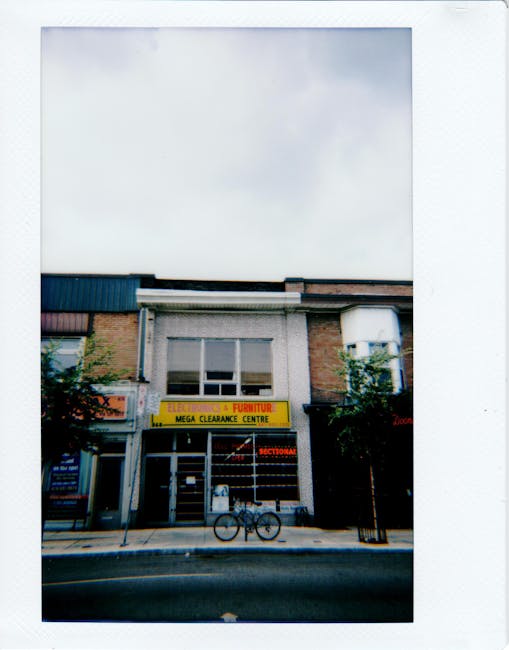
Ealing Road quick rubbish clearance for shops and stalls
Posted on 04/09/2026
If you run a shop, market unit, or street stall on Ealing Road, rubbish has a habit of building up at the worst possible time. One busy afternoon and suddenly there are cardboard boxes under the counter, broken display bits at the back, and bags that really should have gone yesterday. That is exactly where Ealing Road quick rubbish clearance for shops and stalls earns its keep: fast, discreet, practical removal that helps you stay open, tidy, and in control.
This guide breaks down how quick clearance works, who it suits, what to prepare, and how to avoid the little mistakes that can turn a simple job into a headache. We will also look at compliance, disposal choices, and the most sensible way to compare options without overcomplicating things. To be fair, that is usually what busy traders need most - less noise, more action.
For broader commercial support, it can also help to understand the wider range of rubbish removal services available in Wembley and how they fit around daily trading pressures.
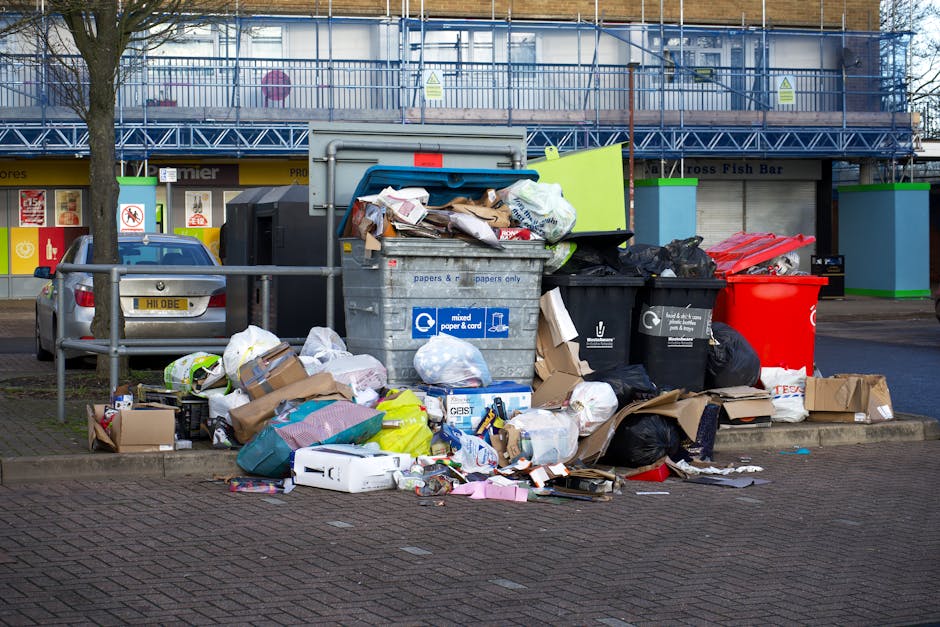
Why Ealing Road quick rubbish clearance for shops and stalls Matters
Ealing Road is the kind of place where trading rhythm matters. Footfall changes quickly, deliveries arrive when they arrive, and your selling space has to work hard. If rubbish starts spilling into the customer area, the whole feel of the pitch changes. It looks cluttered, it feels cramped, and sometimes it can even put people off walking in. That is before you get to the practical stuff: blocked access, trip hazards, missed storage space, and the awkward moment when stock arrives and there is nowhere clean to put it.
Quick clearance matters because shops and stalls do not usually have the luxury of waiting around for a full day's tidy-up. Often you need a rapid reset before opening, between trading sessions, or after a stock rotation. A good clearance job is not just about taking waste away. It is about restoring usable floor space, keeping your frontage presentable, and stopping small messes from becoming a bigger operational problem.
There is also a customer-trust angle. People notice tidiness more than they admit. A neat stall says you are organised, and that really does influence how long someone lingers. Nobody wants to stand next to a pile of flattened boxes or wonder whether a loose bag is rubbish or stock. Let's face it, first impressions do a lot of heavy lifting on a busy road.
Expert summary: Fast clearance is not a luxury for Ealing Road traders; it is part of keeping trade moving, protecting presentation, and preventing waste from eating into valuable selling space.
If your waste build-up is more than a quick bag-and-go job, a targeted clearance approach can sit neatly alongside commercial waste removal in Wembley or, for smaller mixed loads, Wembley rubbish disposal support.
How Ealing Road quick rubbish clearance for shops and stalls Works
Quick rubbish clearance for a shop or stall is usually a simple process, but the speed comes from preparation and clear communication. In practice, it tends to work like this.
- You identify what needs removing. That might be cardboard, broken packaging, unwanted display pieces, old stock packaging, damaged shelving, or mixed general rubbish.
- You separate anything that should stay. This sounds obvious, yet it is the step people rush. A five-minute sort saves a much bigger headache later.
- You give a rough volume estimate. Not an exact science. Just enough to help the team arrive with the right capacity and know whether the job is a light clearance or something more substantial.
- The clearance team arrives and works around your trading setup. A good crew will move carefully through narrow spaces, shared entrances, and any customer flow you want to preserve.
- Waste is loaded and removed promptly. The aim is usually speed, but not sloppiness. Efficient loading matters when you are working in a tight retail environment.
- Materials are taken to the proper disposal or recycling route. Mixed waste, cardboard, reusable furniture, and electrical items may each need a different treatment.
For shops with larger cardboard volumes, it is often worth reading about smart cardboard disposal approaches. Cardboard takes up more room than people expect, and in a stall or small unit, it can dominate the back area in no time.
If the clearance overlaps with stockroom decluttering, you may also find practical ideas in tips for an efficient and tidy environment, which applies surprisingly well to back-of-house retail spaces.
Key Benefits and Practical Advantages
There are plenty of reasons traders choose quick rubbish clearance, but the biggest ones are usually simple and immediate.
- Faster reopening after a busy period. When rubbish is gone quickly, you can get back to selling, not tidying.
- Better presentation. Customers respond to clear walkways, tidy entrances, and uncluttered displays.
- Less pressure on staff. Your team can focus on customers instead of dealing with awkward waste piles at closing time.
- Reduced trip and fire risks. Loose packaging, overloaded corners, and blocked exits are best dealt with early.
- More usable storage space. This is a big one for stalls. Even a small gap behind a counter matters.
- Less back-and-forth. A single efficient clearance is usually better than many half-finished trips to a bin area.
One often overlooked benefit is morale. A tidy space just feels better to work in. You notice it at 8 a.m. when you are setting up, and again at the end of a long day when you are trying to close without tripping over a stack of broken cartons. It is a small thing, but not really small at all.
For traders who also handle larger items or end-of-line stock fixtures, related services like furniture removal in Wembley or furniture disposal support can be useful when you are stripping out a display area or replacing worn units.
Where sustainability matters, it also helps to understand local recycling options and smarter sorting. The broader guidance in recycling and sustainability is worth a look if you want your waste handling to be cleaner and more responsible.
Who This Is For and When It Makes Sense
This kind of clearance is not only for big retail units. In fact, it often makes the most difference in small, tight spaces. If you are working on Ealing Road, you might recognise yourself in one of these situations.
- Market stall holders dealing with packaging, broken boxes, damaged stock wrapping, or end-of-day clutter.
- Independent shop owners who need backroom rubbish removed without shutting the business down for hours.
- Food and snack traders handling packaging waste, old supplies, and general refuse that builds up during trading.
- Pop-up sellers who need the pitch cleared at short notice after an event or weekend trade.
- Shop refitters who are clearing old displays, packaging, and assorted waste before new stock goes in.
- Businesses with limited storage where every spare corner matters and waste cannot be left to linger.
It makes sense when the waste is too much for standard bins, too bulky for one person to shift safely, or too urgent to leave for later. It also makes sense when you do not want staff spending the first hour of trade wrestling with flattened boxes and broken packaging tape. Honestly, nobody dreams of that shift.
If the clearance is part of a bigger tidy-up, you may also benefit from a nearby commercial waste removal or even a more comprehensive office clearance in Wembley if the shop has admin space, stock records, or a small upstairs office attached.
Step-by-Step Guidance
Here is the practical version. No fluff.
- Walk the space before you book. Check what is actually rubbish, what could be reused, and what should stay. If you have a stall, look under tables, behind signage, and around any shared access route.
- Group waste by type. Cardboard in one place, general rubbish in another, bulky items separately if possible. The easier you make collection, the faster the removal tends to go.
- Remove anything sensitive. Cash floats, private paperwork, product records, electronics, and anything with customer data should be put away first.
- Measure awkward items. A rough size estimate helps if you have old shelving, racks, or appliance-like items that need careful handling.
- Check access points. Note doors, shutters, stairways, parking restrictions, and any narrow passageways. Ealing Road can be busy, so access planning really matters.
- Choose a realistic time slot. Early morning, after closing, or during a quieter trading gap is usually easiest.
- Keep the clearance route clear. If the team has to weave around stacked stock and loose bags, the job takes longer and everyone gets a bit fed up.
- Do a final sweep. Once waste has gone, check corners, skirting edges, under counters, and around display stands. You will always find one stray bit of tape. Always.
If you are deciding whether to use a vehicle collection or a small container, the guide on mini skips is helpful for understanding what suits smaller commercial clearances. And if you are comparing methods for short-term waste handling, the article on trouble-free skip hire can help you avoid the most common mishaps.
Expert Tips for Better Results
After enough clearances, a few patterns show up. The smooth jobs are nearly always the ones where the trader has done a tiny bit of prep beforehand.
Tip 1: Keep cardboard under control during the week. Do not let it spread across the whole back area. Flatten boxes as soon as possible and bundle them in one corner.
Tip 2: Separate reusable from disposable items early. A display stand, shelf, or chair might need rehoming rather than disposal. That one decision can save money and space.
Tip 3: Think in layers, not piles. Shops and stalls often have rubbish hidden behind stock, under tables, or behind rails. A layered sweep catches the stuff people miss.
Tip 4: Schedule clearance around trading peaks. If your busiest window is midday, do not book a collection that forces everyone to stop and wait. Sounds obvious, yet it gets overlooked.
Tip 5: Keep a small waste station. One labelled spot for cardboard, one for general waste, one for breakable bits. This tiny system reduces chaos fast.
There is a nice practical crossover here with better recycling habits and simple waste reduction techniques. Both are about doing small things early so the whole place runs more smoothly.
And if you are trying to avoid clutter creeping back in, the piece on staying organised after a clearout offers a good mindset for small business spaces too.

Common Mistakes to Avoid
Quick clearance sounds straightforward, but a few mistakes can slow everything down or create avoidable costs.
- Leaving sorting until collection day. That is stressful and usually messy.
- Mixing reusable stock with waste. Once it is gone, it is gone. Triple-check.
- Blocking the main route. If the crew cannot move freely, the job becomes slower and less efficient.
- Underestimating volume. A pile that looks small at first often turns out to be a lot more once it is broken down.
- Ignoring special waste. Items like electricals, fixtures, or anything with sharp edges may need extra care.
- Leaving the clearance too late. If you wait until the waste is already affecting customers, you are operating under pressure.
One tiny but common slip? Forgetting to check what is behind the counter. It happens all the time. A trader will swear the place is clear, then a second look reveals old packaging, a broken tray, and three bags tucked behind a crate. Human nature, really.
If your shop is also involved in seasonal stock changes, the decluttering advice in clean, simple declutter ideas translates surprisingly well to retail spaces. Small decisions, repeated consistently, make the biggest difference.
Tools, Resources and Recommendations
You do not need a warehouse of equipment for a tidy clearance. But a few basic items make the process much easier.
- Heavy-duty sacks for mixed lighter waste.
- Box cutters or tape dispensers for breaking down packaging safely.
- Gloves for handling rough cardboard, splinters, or sharp wrapping edges.
- Labels or markers for separating keep, recycle, and remove piles.
- Reusable crates for stock you want to keep away from waste.
- Trolley or sack truck if you are moving items within a unit before collection.
For traders with a mix of waste types, it is useful to understand the difference between general rubbish, recyclable cardboard, and bulky items. The article on waste clearance services explains the wider picture in a plain way, without making the whole thing sound more complicated than it is.
If you handle old appliances, compact fridges, or electrical stock-room equipment, a specific route like white goods and appliance disposal may be more suitable than general rubbish removal.
And for traders who also manage small outdoor storage or frontage planters, the garden waste removal page can be relevant when the mess is a mix of organic waste and general clutter. A bit niche, yes, but Ealing Road businesses are often a mix of indoor and street-facing setups.
Law, Compliance, Standards, or Best Practice
Commercial waste must be handled carefully, and in the UK it is good practice to use a properly authorised waste carrier. That is not just paperwork for the sake of it. If waste is passed to the wrong operator, the original business can still face questions later. Nobody wants that.
For shops and stalls, the best practice is simple:
- Use a licensed waste carrier.
- Keep basic records of what was removed.
- Separate recyclable materials where practical.
- Do not leave waste on public land or in shared access areas.
- Handle electrical items and sharp materials carefully.
- Make sure staff know what can and cannot go into the waste stream.
There is also a safety side to this. Blocked exits, damaged packing, loose nails, broken shelving, and overloaded storage corners can all create avoidable risks. Good waste practice supports safer trading, which is something people often only notice once it has gone wrong. Best not to wait for that moment.
If you want a clearer view of standards and operating expectations, these pages are useful for reassurance: waste carrier licence and compliance, insurance and safety, and terms and conditions. They help explain the professional side of waste handling without overpromising anything.
Options, Methods, or Comparison Table
There is no single right way to clear rubbish from a shop or stall. The best option depends on how much waste you have, how quickly it needs to go, and how much space you can spare.
| Method | Best for | Strengths | Limitations |
|---|---|---|---|
| On-site sack and carry removal | Very small loads | Fast for a few bags, minimal setup | Not suitable for bulky items or larger volumes |
| Mini skip | Short-term small commercial clearances | Handy for staged loading, useful for mixed light waste | Needs space, may not suit tight pavements or urgent access limits |
| Direct collection and clearance | Busy stalls and shops needing quick reset | Fast, labour-light, good for bulky and mixed waste | May need more planning around access and timing |
| Full commercial clearance | Refits, stockroom clearouts, larger resets | Good for multiple waste types, more thorough | Can be more involved than a simple same-day tidy |
For many Ealing Road traders, direct clearance is the sweet spot. It keeps disruption low and gets the space back in working shape quickly. Mini skips can still be useful, but only if you have room and a good reason to stage waste over a little time. The guide to builders skips and their utility and mini skip essentials both help clarify the trade-offs.
Case Study or Real-World Example
Picture a small stall operator on Ealing Road at the end of a busy trading day. The stall has had a good run, but the back area is now packed with flattened boxes, damaged outer packaging, a broken folding chair, and a couple of old display boards. Nothing dramatic. Just the sort of clutter that slowly eats the space you actually need to work in.
The trader does a quick sort before closing. Cardboard goes in one stack, reusable stock items are moved aside, and the broken chair is separated from everything else. By the next morning, the collection team can move straight through the space without having to ask where each item came from or whether it should stay. The whole clearance is faster because the prep was sensible. Not fancy, just sensible.
What changed afterwards? The stall looked cleaner, setup the following morning was easier, and the trader stopped losing ten minutes every day to dragging cardboard around the pitch. Small win, but a real one. That is usually how good rubbish clearance works: a practical fix that quietly makes the next week easier.
If you are managing inherited stock, mixed items, or a backroom with some sentimental clutter mixed in, the guidance in ways to deal with relatives' items is surprisingly useful. It is not the same situation, of course, but the decision-making logic is similar: keep, donate, recycle, remove.
Practical Checklist
Use this before booking or starting a clearance.
- Have I separated rubbish from stock?
- Have I flattened cardboard and grouped it together?
- Are any items reusable, repairable, or worth keeping?
- Have I removed cash, paperwork, and personal data?
- Is the access route clear for collection?
- Do I know which items are bulky, sharp, or electrical?
- Have I chosen a sensible time that will not disrupt trading too much?
- Have I checked whether any special waste needs separate handling?
- Do I know roughly how much space the waste will take up?
- Have I planned a quick final sweep after removal?
If your setup includes outside frontage, a nearby storage patch, or a bit of green waste from planters or displays, you may also want to review Wembley garden waste removal support. It is a simple way to stop mixed waste from turning into mixed-up waste.
Conclusion
Ealing Road quick rubbish clearance for shops and stalls is really about keeping business moving. Less clutter means better presentation, safer access, smoother setup, and fewer little annoyances eating into your day. The fastest jobs are not rushed jobs; they are the ones prepared with a bit of care. Sort first, clear second, and you will usually be fine.
If you are running a shop or stall on a busy stretch, the value of quick rubbish clearance is easy to see once you have it. The space feels calmer. Customers move more easily. Staff waste less time tidying around the edges. And that sense of control, honestly, is worth a lot on a crowded trading road.
Get a free quote today and see how much you can save.
For traders who want a cleaner, more manageable trading space without the drama, the next step is simple: plan the clearance properly and let the right team do the heavy lifting. One tidy reset can make the whole week feel better. Maybe even the month.